Understanding Colonial Home Construction
Colonial home construction embodies timeless styles that reflect the rich historical and cultural influences of America’s early settlers. The aesthetic appeal of these homes lies not only in their historical significance but also in their practicality and durability. From symmetrical facades to grandiose entrances, colonial home construction represents a unique blend of form and function that has captivated homeowners for generations.
History and Influence of Colonial Architecture
The roots of colonial architecture trace back to the 17th and 18th centuries, when European settlers brought their building traditions to the New World. Influenced by the architectural styles of England, France, Spain, and the Netherlands, colonial homes adapted to the local environment and available materials. The earliest colonial homes were practical and often austere, focusing on function over form, but as communities evolved, so too did the architectural styles, leading to the distinct characteristics we now associate with colonial homes.
Key Characteristics of Colonial Homes
Colonial homes are characterized by several distinct features that reflect their historical roots:
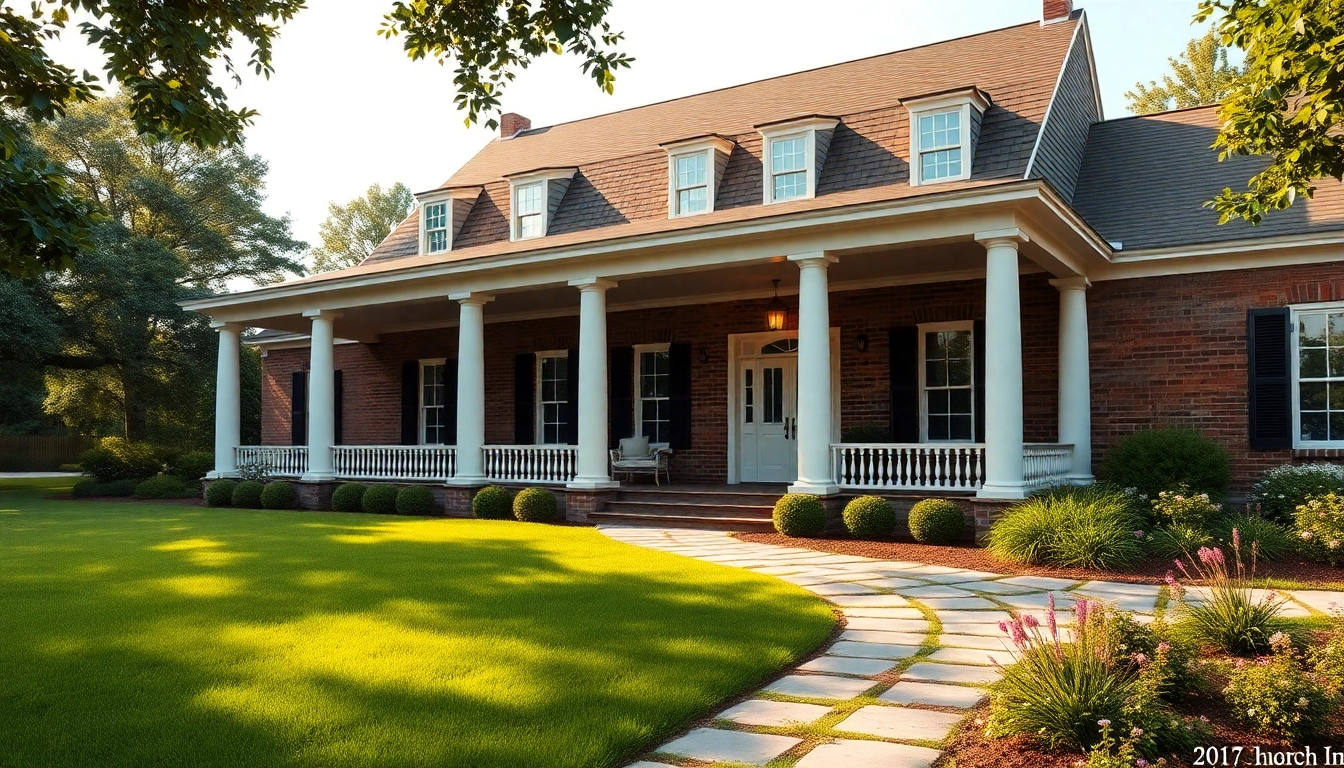
- Symmetrical Design: A hallmark of colonial architecture, symmetry is evident in the evenly spaced windows and centrally located doors.
- Gable Roofs: Steeply pitched gable roofs are common, providing both aesthetic appeal and functional durability against the elements.
- Double-Hung Windows: Multi-paned windows with shutters often adorn these homes, allowing for natural light while maintaining traditional design.
- Classic Columns and Porches: Many colonial homes feature grand entryways supported by columns, which adds a touch of elegance and formality.
Benefits of Building a Colonial Home
Constructing a colonial home presents numerous advantages for prospective homeowners.
- Timeless Appeal: Colonial homes maintain a classic aesthetic that never goes out of style, ensuring long-term value.
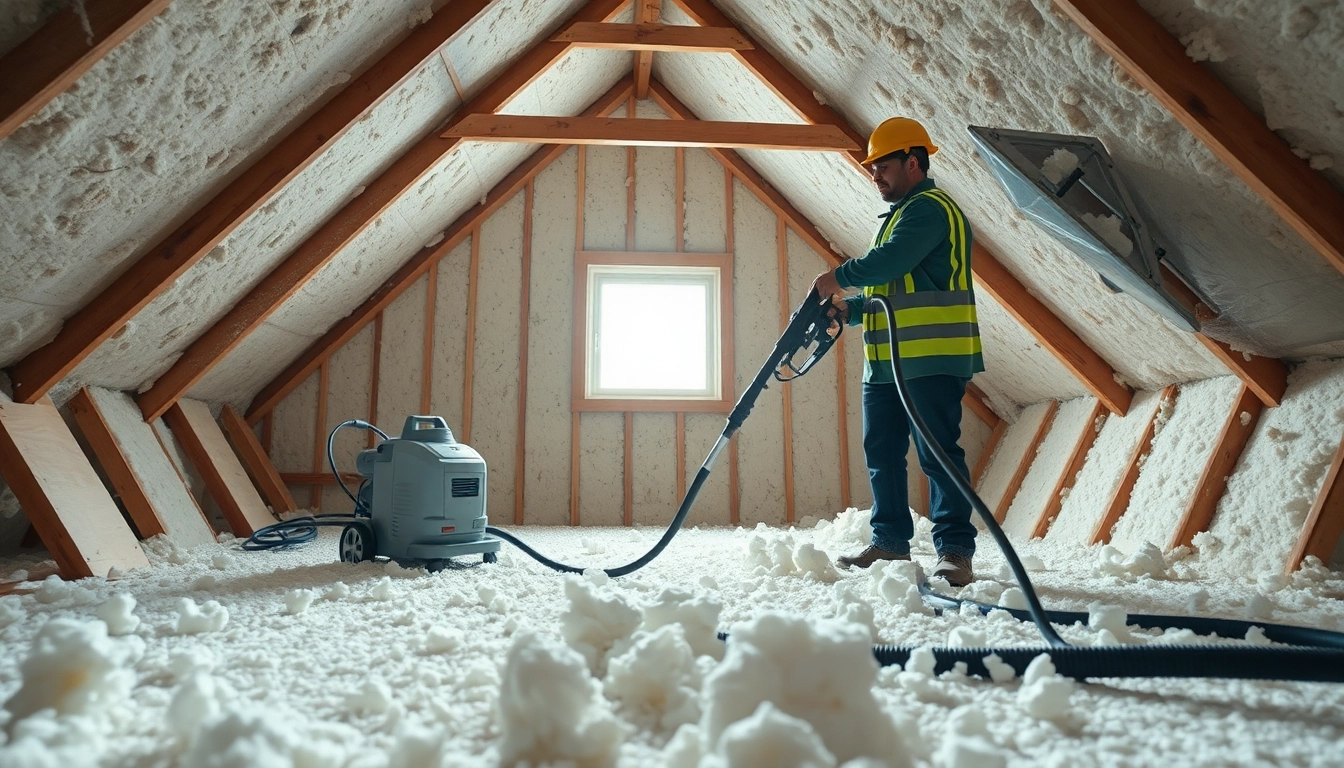
- Energy Efficiency: Modern colonial designs incorporate energy-efficient materials and insulated windows, reducing long-term utility costs.
- High Resale Value: The enduring popularity of colonial homes often results in a favorable real estate market, ensuring a strong resale value.
- Customization Opportunities: While rooted in tradition, colonial homes can be customized with modern features and finishes to suit personal tastes.
Planning Your Colonial Home Project
Planning is crucial when embarking on a colonial home construction project. Various elements need thorough consideration to ensure a successful build.
Essential Steps in Colonial Home Construction
The journey to building a colonial home starts with clear, actionable steps:
- Research and Inspiration: Explore different colonial styles and designs to identify what resonates most with your vision.
- Engage Professionals: Collaborate with architects and contractors who specialize in colonial designs to benefit from their expertise.
- Draft Initial Plans: Create detailed plans that include layout, dimensions, and specific features that reflect the colonial style.
- Obtain Permits: Ensure all necessary permits and approvals are secured before construction begins.
- Choose Materials Carefully: Select high-quality materials that reflect the historical nature of colonial homes.
Choosing the Right Location and Site Preparation
The location of your colonial home significantly influences its design and functionality. Factors to consider include:
- Accessibility: Ensure easy access to roads and essential services.
- Topography: Assess the land for drainage, elevation, and views to determine the optimal building site.
- Regulatory Compliance: Understand local zoning laws and regulations regarding colonial home construction.
- Environmental Impact: Consider how your construction may impact local wildlife and vegetation.
Creating an Effective Budget and Timeline
Developing a detailed budget and timeline is vital to keep your colonial home construction project on track and financially viable. Key elements to consider include:
- Material Costs: Research current market prices for bricks, wood, and other materials specific to colonial construction.
- Labor Costs: Engage with contractors to understand labor rates and ensure they align with your budget.
- Contingency Funds: Allocate additional funds to account for unexpected expenses that may arise during the building process.
- Timeline Realism: Set realistic expectations for the construction timeline, considering potential delays.
Design Features in Colonial Home Construction
Designing a colonial home requires balancing historical integrity with modern functionality. Here’s how you can achieve this balance:
Exterior Elements to Consider
The exterior of a colonial home sets the tone for its architectural presence. Consider the following features:
- Material Selection: Traditional materials like brick, wood, and stone blend well while providing an authentic look.
- Color Palette: Muted, earth-toned colors commonly used in colonial homes complement the natural surroundings.
- Roofing Styles: Explore options such as cedar shingles or slate roofing that align with colonial aesthetics.
- Landscaping: Incorporate formal gardens and pathways that harmonize with the home’s architectural style.
Interior Designs That Reflect Colonial Influences
The interior of a colonial home should mirror its exterior sophistication while emphasizing comfort. Important design elements include:
- Floor Plans: Open-concept designs are less common; consider traditional divided spaces for a classic feel.
- Wooden Beams and Molding: Exposed beams and decorative moldings add authenticity and character.
- Color Scheme: Stick to a subdued palette with historically accurate colors to reflect the colonial era.
- Fireplaces: Central, functional fireplaces serve as both a heating source and a focal point for living areas.
Utilizing Modern Amenities in Traditional Styles
Integrating modern amenities into a colonial home is essential for comfort without compromising its aesthetic.
- Smart Home Technology: Implement smart devices discreetly to enhance functionality without altering historical charm.
- Energy Efficiency: Use modern insulation and HVAC systems for improved energy efficiency throughout the home.
- Kitchen and Bathroom Updates: Update kitchens and baths with modern fixtures while choosing styles complementary to colonial design.
- Lighting: Select lighting that evokes a colonial feel, such as chandelier styles reminiscent of the time period.
Common Challenges in Colonial Home Construction
Building a colonial home is not without its challenges. Here are common hurdles and solutions:
Addressing Historical Regulations and Guidelines
Many areas have regulations that protect historic architecture. To navigate these successfully:
- Research Local Laws: Understand any restrictions regarding materials, design styles, and dimensions.
- Consult with Experts: Engage preservationists or local historical societies for guidance in compliance.
- Document All Changes: Maintain thorough documentation of your design choices to demonstrate adherence to guidelines.
Tackling Environmental Considerations
Building responsibly requires awareness of environmental impacts. Consider the following:
- Sourcing Materials: Opt for sustainably sourced materials to minimize your carbon footprint.
- Energy-Saving Designs: Incorporate energy-efficient designs that reduce environmental impact without compromising style.
- Land Conservation: Avoid disrupting natural habitats and preserve as much land as possible during construction.
Overcoming Budget Constraints
Staying financially viable throughout your colonial home project is critical. Here are strategies to maintain budget control:
- Prioritize Must-Haves: Identify essential features you cannot compromise on, and adjust your budget accordingly.
- Be Flexible: Be open to alternative materials or designs that can achieve your goals while reducing costs.
- Set Milestones: Break budgets into smaller segments tied to project milestones to monitor spending closely.
FAQs about Colonial Home Construction
What defines a colonial home?
A colonial home is defined by its symmetrical design, classic features such as gable roofs, and use of traditional building materials that reflect America’s colonial past.
How long does it take to build a colonial home?
The timeline for building a colonial home can vary, but typically it takes 6 to 12 months, depending on complexity, weather, and material availability.
What are the costs associated with colonial home construction?
Costs can vary widely based on materials and location, but on average, building a colonial home ranges from $150 to $400 per square foot.
Can modern materials be used in colonial designs?
Yes, modern materials can be used, as long as they are selected thoughtfully to maintain the traditional aesthetic and functionality of colonial designs.
What are the best strategies for maintaining a colonial home?
Regular maintenance includes inspecting roofs and gutters, preserving wooden elements, and updating energy efficiency features while staying true to the original design.