Understanding Cape Cod Homes
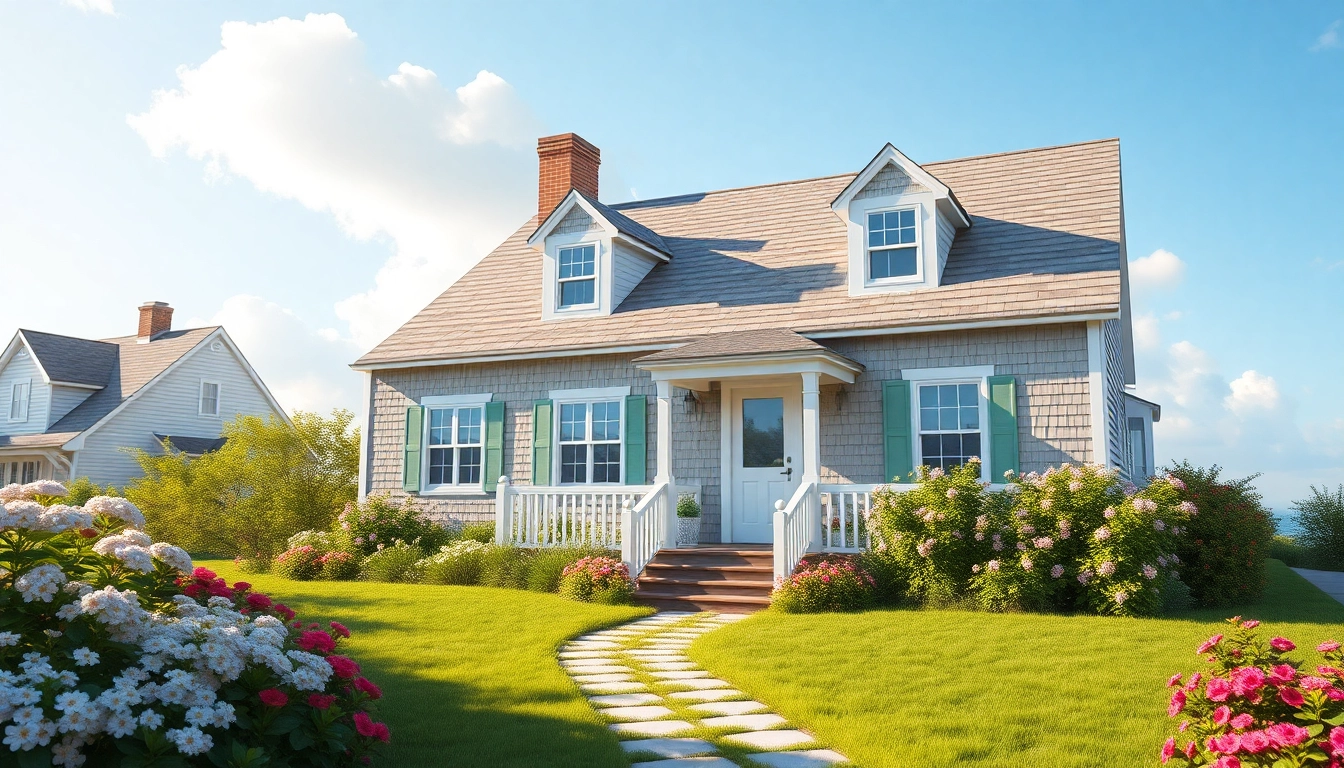
Originating from the shores of America's New England, cape cod homes embody an architectural style that balances aesthetic beauty with practical functionality. Characterized by their steep roofs, dormer windows, and weathered siding, they reflect a storied history that resonates with homeowners and architecture enthusiasts alike. This article aims to delve into the history, design elements, benefits, and modern adaptations that make Cape Cod homes a cherished choice for many.
History and Architecture of Cape Cod Homes
The Cape Cod architectural style emerged in the early 17th century, predominantly influenced by the needs of early settlers in New England. Designed to withstand harsh coastal weather, the homes featured a compact, one-and-a-half-story design with steep roofs to shed snow and rain effectively. The early settlers also utilized local materials such as timber and clapboard siding, which gave rise to the distinctive, rustic aesthetic associated with these homes today.
As time progressed, Cape Cod homes evolved, incorporating elements from various architectural movements, including Colonial Revival, and even Federal styles. These adaptations helped create a diverse range of designs while maintaining the essential characteristics that define Cape Cod homes. Modern builds continue to embrace simplicity and functionality, making them favorite choices for both historical preservationists and contemporary homeowners.
Key Features of Cape Cod Homes
Some of the most defining features of Cape Cod homes include:
- Steep Roofs: Typically a 12/12 pitch, these roofs effectively drain snow and rain.
- Dormer Windows: Often placed in the roofline to provide light and space in the upper levels.
- Symmetrical Facades: A hallmark of the style, characterized by central doors and evenly spaced windows.
- Natural Materials: The use of wood, especially clapboard siding, emphasizes a connection to the landscape.
- Chimneys: Traditionally large and centrally located, adding to the home’s charm and efficiency.
Benefits of Living in Cape Cod Homes
Living in a Cape Cod home presents numerous advantages. The inherently practical design combines cozy aesthetics with functionality. These homes often feature layouts that promote family interaction and comfort. Additionally, the natural materials used in construction not only enhance the visual appeal but also contribute to a healthy indoor environment. Moreover, due to their robust design, Cape Cod houses tend to have lower maintenance costs and stand the test of time against harsh weather conditions.
Designing Your Dream Cape Cod Home
For those looking to build or modify a Cape Cod home, there are several design considerations to keep in mind. These suggestions blend traditional elements with modern conveniences while respecting the architectural heritage.
Integrating Modern Amenities
In an era where technology influences everyday living, integrating modern amenities into a Cape Cod design can enhance comfort and efficiency. Features like smart home technology, energy-efficient appliances, and advanced heating and cooling systems can be incorporated seamlessly without detracting from the home’s traditional charm. Planning for spaces that accommodate contemporary lifestyles, such as open-concept living areas or home offices, can also be achieved while adhering to classic design principles.
Choosing the Right Materials
The choice of materials plays a significant role in both the aesthetics and durability of a Cape Cod home. While wood remains a traditional choice for siding, modern materials such as fiber cement can provide similar aesthetics with improved weather resistance. For roofing, architectural shingles or metal options can enhance longevity. Inside the home, the use of reclaimed wood or sustainably sourced materials can add character while ensuring environmental responsibility.
Landscaping Ideas for Cape Cod Homes
Landscaping can significantly enhance the appeal of Cape Cod homes. A quintessential coastal design may involve native plants that require minimal irrigation and maintenance while supporting local ecosystems. Incorporating stone pathways, white picket fences, and flower beds filled with daisies or hydrangeas can create inviting outdoor spaces. Additionally, attention to outdoor living spaces, such as decks or patios, can provide opportunities for enjoying the surrounding natural beauty.
Renovating Existing Cape Cod Homes
When considering a renovation, respect for the home’s historical integrity should be at the forefront. Balancing modernization with preservation can be a rewarding endeavor.
Common Renovation Projects
Homeowners often undertake various renovation projects to update and enhance their Cape Cod homes. Common improvements include the addition of an attached garage, updating kitchens and bathrooms for modern functionality, or even expanding living spaces with new rooms or sun porches. Each renovation should consider the overall architectural style, ensuring that updates blend harmoniously with existing structures.
Balancing Original Charm with Modern Needs
One of the challenges of renovating a Cape Cod home is maintaining its original charm while making it suitable for contemporary living. Strategies include preserving key architectural elements, such as the roofline and window placements, while introducing modern conveniences. For example, maintaining original hardwood floors while adding updated energy-efficient heating may achieve the desired balance without compromising the spirit of the home.
Permits and Regulations to Consider
Before embarking on a renovation project, it’s crucial to familiarize yourself with local permits and regulations. Depending on the extent of the work, permissions may be required from local zoning boards or historical societies. Ensuring compliance helps protect the home's architectural integrity and avoids potential legal complications during the process.
Energy Efficiency in Cape Cod Homes
As energy efficiency becomes increasingly essential in home design, the Cape Cod aesthetic can adapt beautifully to include modern energy-saving solutions.
Importance of Insulation
Proper insulation is critical for maintaining a comfortable environment within Cape Cod homes, especially given their exposure to harsh weather conditions. Insulating attics, walls, and basements can significantly reduce energy bills while enhancing overall comfort. For older homes, consider retrofitting with high-performance insulation materials that align with contemporary standards of efficiency.
Choosing Energy-Efficient Windows
Windows are a critical aspect of any home’s energy efficiency. Replacing single-pane windows with double or triple-pane alternatives can drastically improve thermal performance. Look for windows with low-emissivity coatings and gas fills to enhance insulation without sacrificing natural light and aesthetic charm. Additionally, strategically placed windows can maximize natural ventilation, minimizing reliance on mechanical cooling.
Solar Options for Cape Cod Homes
Another way to enhance energy efficiency is by incorporating solar energy systems. Solar panels can complement the traditional rooflines of Cape Cod homes while providing significant savings on electricity costs. Advances in solar technology make it feasible to install systems that blend seamlessly into the architecture, ensuring that sustainability does not come at the expense of aesthetic appeal.
FAQs About Cape Cod Homes
What defines a Cape Cod home?
A Cape Cod home is defined by its steep roof, symmetrical design, dormer windows, and use of natural wood siding, embodying character and charm typical of coastal New England architecture.
Are Cape Cod homes energy-efficient?
Yes, Cape Cod homes can be energy-efficient. By using modern insulation, energy-efficient windows, and considering renewable energy options like solar panels, these homes can maximize energy efficiency without losing their charm.
What materials are best for building a Cape Cod home?
Traditional materials like wood (clapboard, shingles) are ideal. Modern options include fiber cement siding, which can offer durability and low maintenance while still maintaining the aesthetic of a Cape Cod home.
Can Cape Cod homes be renovated?
Absolutely! Renovating Cape Cod homes is common. Focus on preserving original features while modernizing for efficiency and comfort to retain the architectural integrity and charm.
What landscaping suits a Cape Cod home?
Landscaping that incorporates native plants, stone pathways, and traditional flower beds works best. A coastal design that complements the home while promoting sustainability is ideal.