Understanding Raw Loofah
What is Raw Loofah?
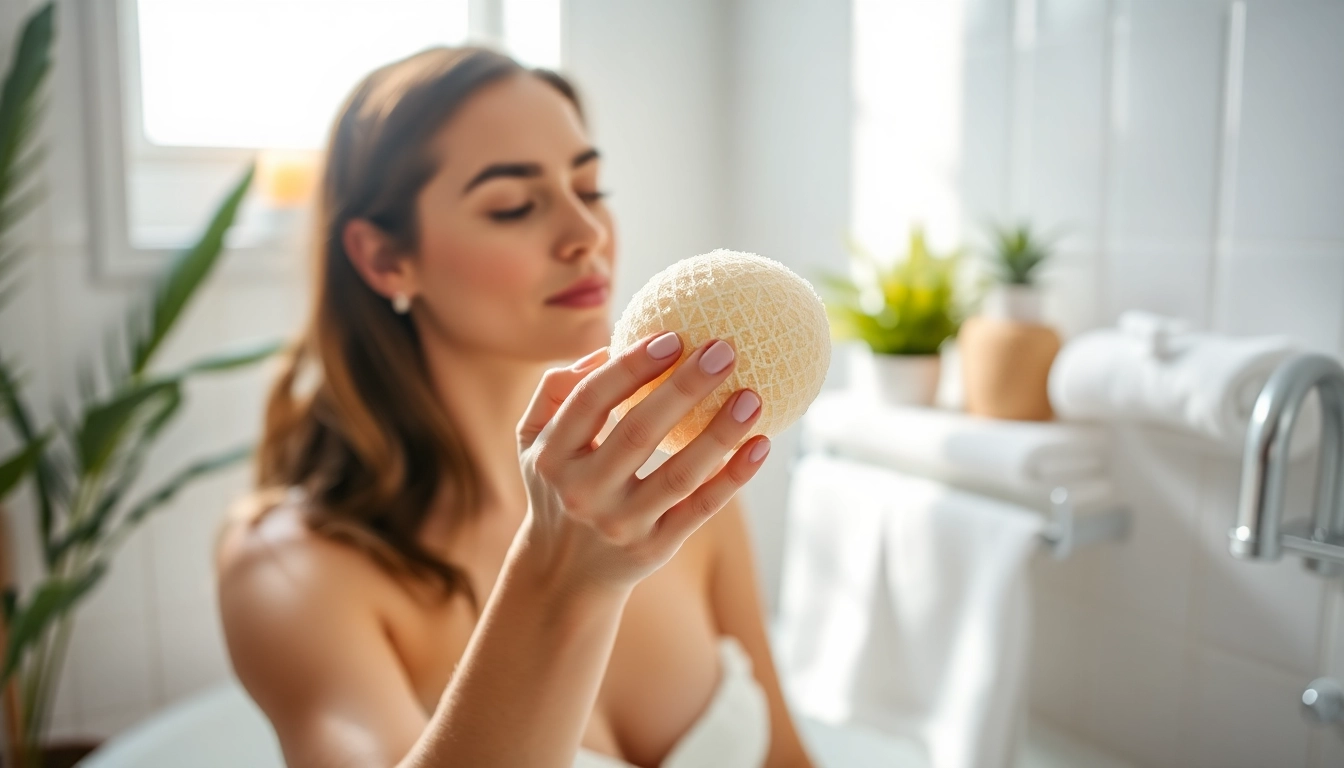
Raw loofah, often confused with the sponge-like material used for bathing, is actually derived from the fibrous fruit of the Luffa plant, a member of the gourd family. When this fruit matures, it undergoes a process of drying and peeling to reveal the natural sponge-like structure, which is then collected for various uses. While many people are familiar with the commercial sponges found in stores, raw loofah can contribute to skincare and health routines in more organic and beneficial ways. For those interested in how to use raw loofah, understanding its origins and properties is fundamental.
Benefits of Using Raw Loofah
The benefits of incorporating raw loofah into your routine are numerous and varied. As a natural exfoliant, it helps to slough off dead skin cells, promoting smoother and healthier skin. The loofah's fibrous texture can also stimulate blood circulation, contributing to a vibrant complexion. Additionally, the use of raw loofah is eco-friendly, making it an excellent alternative to synthetic sponges that can be harmful to the environment. The loofah is biodegradable and reusable, aligning perfectly with sustainable living practices. Moreover, frequent use can help to prevent clogged pores and reduce the occurrence of acne, making it a favorite among individuals with oily or combination skin.
Choosing the Right Type of Loofah
When selecting a loofah, it is important to consider factors such as size, texture, and source. Loofahs come in various sizes, from personal ones to larger bath varieties suitable for full-body exfoliation. The texture may vary as well; some loofahs offer a gentler approach while others can be quite abrasive. Those with sensitive skin should opt for softer options. Additionally, sourcing loofahs from organic growers ensures chemical-free use, which is especially important for skincare. By choosing high-quality loofahs, users can experience all the benefits while minimizing adverse reactions.
How to Use Raw Loofah
Preparing Your Skin
Before using raw loofah, proper skin preparation is essential for optimal results. Start by gently cleansing your skin with a mild soap to remove any dirt or oils. It’s best to hydrate your skin, so consider using warm water to open your pores, making the exfoliation process smoother. By doing so, the raw loofah can work more effectively to remove dead skin cells without causing irritation. Moreover, it’s advisable to consider the time of day; exfoliating in the evening allows for overnight repair while minimizing sun exposure on freshly exfoliated skin.
Applying Techniques for Gentle Exfoliation
Using raw loofah correctly is key to achieving beautiful skin. When you start, soak the loofah in warm water for a few minutes to soften it. Once ready, gently rub it across your skin using circular motions. It’s recommended to start with one area and gradually cover your entire body. Focus on rougher areas, such as elbows and knees, but avoid applying excessive pressure to sensitive skin. Depending on personal preference, this process may take a few minutes, ensuring a gentle approach while still effectively exfoliating. After exfoliation, rinse your skin to remove any loosened dead skin cells.
Aftercare Tips for Best Results
Post-exfoliation care is as crucial as the exfoliation itself. After using a raw loofah, apply a hydrating lotion or body oil to help restore moisture to the skin that may have been lost during the process. Look for products that include natural oils, such as coconut or almond oil, which are great for nourishing skin. Avoid fragrances or synthetic ingredients, as they may irritate the freshly exfoliated skin. Additionally, establishing a routine that incorporates loofah use bi-weekly rather than daily can help maintain skin health without over-exfoliation.
Common Concerns and Precautions
Skin Sensitivity Issues
One of the primary concerns when using raw loofah is skin sensitivity. Individuals with sensitive skin may experience redness or irritation due to the abrasive nature of the loofah. It's essential to test the loofah on a small area before full use. If any adverse reactions occur, consider opting for a softer or finer loofah. Remember that different skin types require different levels of exfoliation; therefore, consult with a dermatologist if uncertain about loofah exfoliation.
Cleaning and Maintaining Your Loofah
Maintaining hygiene with your raw loofah is vital to prevent bacterial growth. After each use, rinse it thoroughly to remove any dead skin and products. Hang it in a dry area to avoid mildew, as excessive moisture can lead to unwanted odors and bacterial proliferation. Deep cleaning is recommended once a week; soak the loofah in a solution of baking soda and vinegar for 10 minutes, then rinse it well and leave it to dry. These cleaning practices can extend the lifespan of your loofah while ensuring safe usage on the skin.
Frequency of Use Recommendations
For most skin types, using raw loofah bi-weekly is appropriate to allow the skin to regenerate. For those with oily or acne-prone skin, weekly use may be beneficial to help prevent breakouts. Conversely, individuals with dry or sensitive skin should limit use to every three weeks. By listening to your skin and adjusting use accordingly, you'll optimize exfoliation efforts without compromising skin health. It’s important to observe how your skin reacts after exfoliation to refine this routine further.
Alternative Uses for Raw Loofah
Using Loofah in Bathing Routines
Raw loofahs can transform your bathing experience into a spa-like session. After applying soap or shower gel, use the moistened loofah to create a rich lather. This not only exfoliates the skin but enhances the effectiveness of your products by promoting lathering and application. Incorporating essential oils while using the loofah can further elevate this experience, providing additional aromatherapy benefits that soothe body and mind.
Loofah as a Natural Cleaning Tool
Beyond skincare, raw loofah serves as an excellent eco-friendly alternative in cleaning applications. Its fibrous texture can scrub surfaces without scratching, making it effective for kitchen counters, pots, and dishes. You can use it in place of synthetic sponges, significantly reducing your plastic waste. For added versatility, try soaking the loofah in vinegar or a natural cleaning solution for enhanced cleaning power. After cleaning, rinse and dry thoroughly for future use.
Incorporating Loofah in Your Crafts
Creatively inclined individuals can explore the crafting potential of raw loofah. It can be cut and shaped into unique ornaments, natural scrubbing pads, or even additions to handmade soaps. The fibrous nature of the loofah lends well to creative projects, merging functionality with artistic expression. Engage with the natural aesthetic of the loofah in various craft projects, allowing it to add a rustic charm to home decor.
FAQs About Raw Loofah
How often should I use a raw loofah?
For most skin types, using a raw loofah every two weeks is recommended to allow the skin to recover and regenerate. Adjust this frequency based on your skin's response.
Can I use raw loofah on sensitive skin?
Yes, but with caution. Test on a small area first, and choose a softer loofah to minimize potential irritation. Always follow up with a moisturizer.
How do I clean my raw loofah?
Rinse thoroughly after each use, hang to dry, and do a deep clean weekly by soaking in a baking soda and vinegar solution. Rinse well afterward to prevent buildup.
Are there any risks in using raw loofah?
Potential risks include skin irritation or allergic reactions, especially for sensitive skin. Always perform a patch test and consider your skin type before use.
Where can I buy quality raw loofah?
Quality raw loofahs are available at health food stores, organic markets, or online, focusing on reputable retailers who ensure their products are organic and chemical-free.