Understanding Cabinet Refacing
What is Cabinet Refacing?
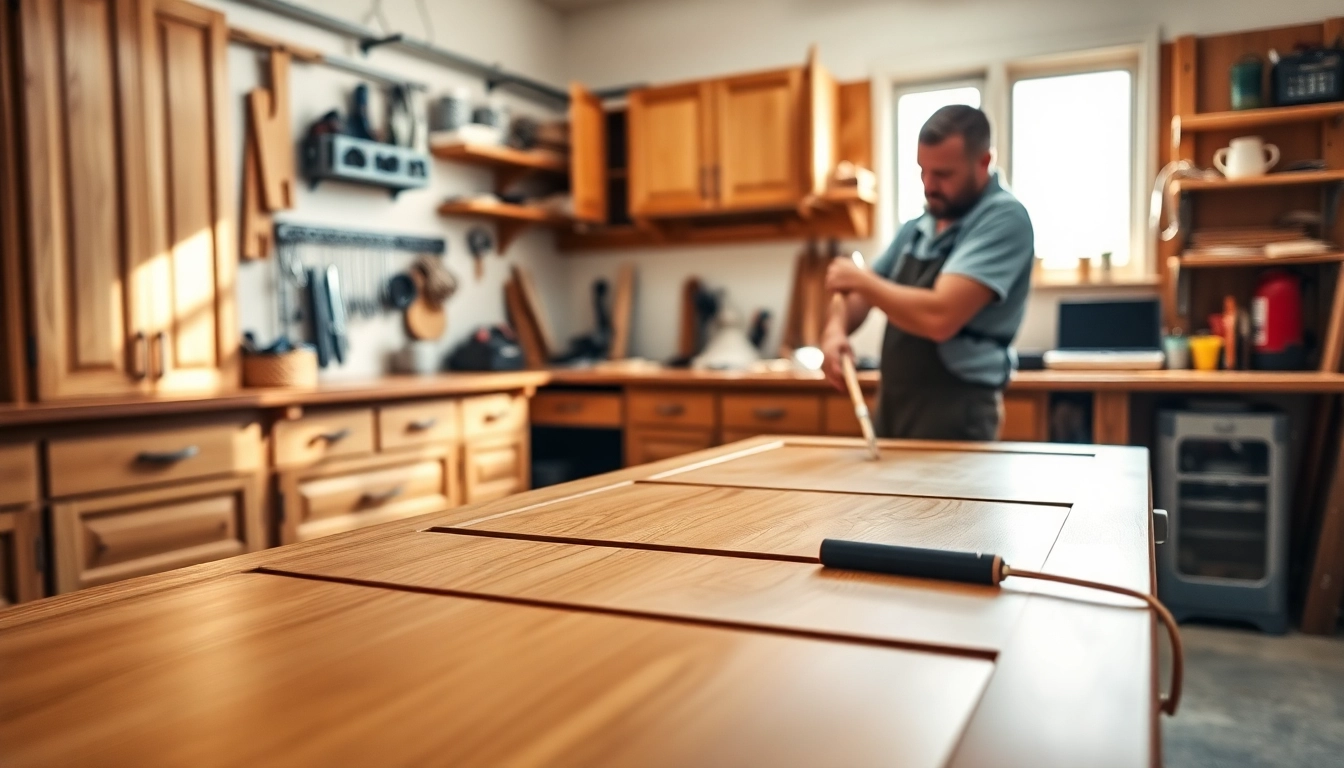
Cabinet refacing is a transformative home improvement process that involves updating the exterior of your existing kitchen cabinets without replacing the entire structure. This technique typically includes replacing the cabinet doors and drawer fronts and applying a new veneer to the frames. The goal is to create a fresh and modern look while maintaining the integrity of your original cabinetry. By refacing, homeowners can achieve significant aesthetic upgrades with minimum disruption and effort.
Benefits of Cabinet Refacing
There are numerous advantages to choosing to reface your cabinets instead of opting for a full replacement:
- Cost-Effectiveness: Cabinet refacing is usually less expensive than full cabinet replacement. Homeowners can save significantly on material and labor costs.
- Less Time-Consuming: The refacing process is quicker and can typically be completed within a few days, compared to weeks or even months for a complete remodel.
- Sustainability: By reusing the existing cabinet structure, you reduce waste and contribute to eco-friendly practices.
- Customization Options: Homeowners can choose from a variety of colors, finishes, and styles to achieve their desired look, ensuring a personalized touch.
- Boosts Home Value: Updating cabinets can increase the overall aesthetic appeal of your home, leading to a higher resale value.
Cost vs. Replacement Analysis
When considering the financial implications of cabinet updates, a thorough cost analysis between refacing and full replacement is essential. The average cost of cabinet refacing ranges from $1,000 to $5,000, depending on the size of the kitchen and the materials selected. In contrast, replacing cabinets can run between $10,000 and $30,000 or more, depending on the quality and size. Not to mention, refacing minimizes the need for additional work, such as plumbing or electrical amendments, often associated with full replacement.
Choosing the Right Materials
Types of Materials for Cabinet Refacing
Choosing the right materials is pivotal in the cabinet refacing process. Here are some common materials used:
- Veneer: A thin layer of wood that provides an attractive finish while being cost-efficient. It's available in a variety of wood species.
- Laminate: A synthetic option that simulates wood or other materials. It's durable and available in numerous colors and patterns.
- Solid Wood: Though more expensive, solid wood doors offer a classic look and can add value to your home.
Finishing Options and Their Impacts
The finishing touch on refaced cabinets can dramatically impact aesthetics and durability. Here are some popular finishes:
- Paint: Allows for a fully customized color but requires proper preparation to avoid chipping.
- Stain: Enhances the natural beauty of wood while protecting it. However, it may alter the wood's original tone.
- Glaze: Adds depth and texture to painted surfaces, providing an antiqued look.
- Protective Coatings: Essential for longevity, these clear finishes help resist scratches and stains.
Eco-Friendly Choices for Your Project
With a growing emphasis on sustainable living, many homeowners are looking for eco-friendly materials for their cabinet refacing projects. Options include:
- Low-VOC Paints: These paints reduce harmful emissions and are safer for indoor use.
- Sustainable Wood: Sourced from responsibly managed forests, this wood conserves ecosystems.
- Reclaimed Materials: Using reclaimed wood not only gives a unique character but also minimizes environmental impact.
Steps to Get Started with Cabinet Refacing
Assessing Your Existing Cabinets
The first step in the cabinet refacing journey involves assessing the condition of your existing cabinets. Examine for structural integrity and ensure they are worth refacing. Check for any signs of damage or wear, and evaluate whether they meet your needs in terms of space and functionality. If the cabinets are in good shape, refacing may be an ideal option.
Finding the Right Professionals vs. DIY
While a DIY refacing project can be fulfilling, hiring a professional can ensure quality results. Here’s a breakdown:
- DIY: Can save money and offer full creative control. However, it requires time, skill, and tools to achieve professional-quality finish.
- Professional Services: Experienced refacers understand the nuances of materials, design, and installation, leading to a high-quality outcome.
Planning Your Design and Aesthetic
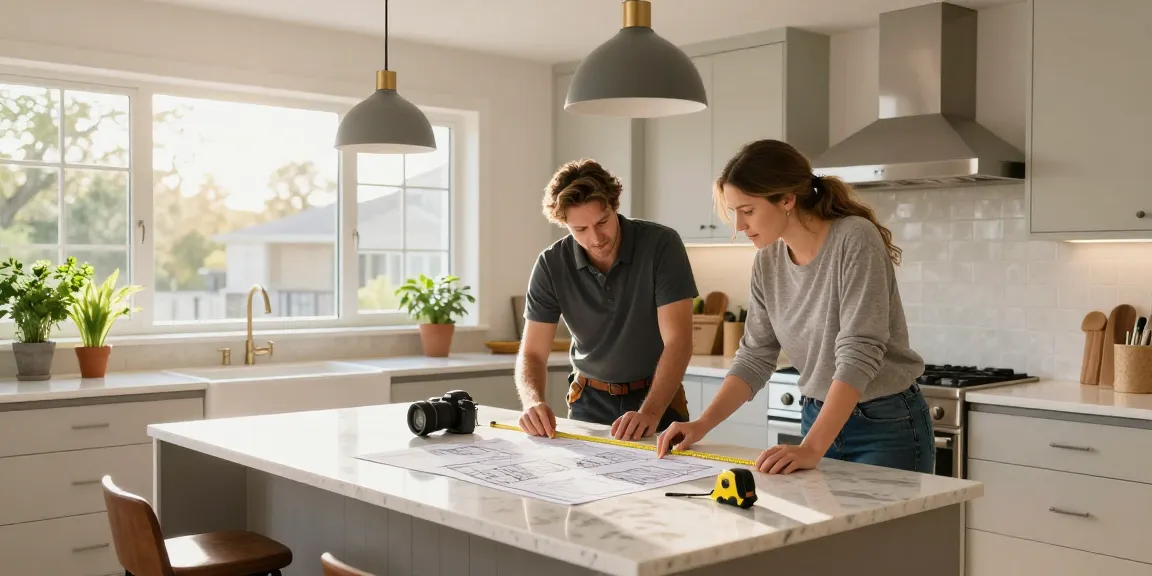
Planning is crucial in achieving your desired kitchen aesthetic. Consider your style preferences, the current decor, and how the new cabinets will complement existing elements. Create mood boards and explore various color schemes to visualize the transformation. Don’t forget to measure your space carefully to ensure all new installations will fit perfectly.
Maintenance and Care for Refaced Cabinets
Cleaning and Maintenance Tips
Proper maintenance is essential for the longevity of your refaced cabinets. Here are some tips:
- Use a soft cloth or sponge with a mild detergent for regular cleaning. Avoid harsh chemicals that may damage the finish.
- Keep cabinets dry, especially around hinges and handles, to prevent moisture-related issues.
- Regularly check for loose hardware and tighten as necessary.
Common Issues and How to Address Them
Even high-quality refaced cabinets may experience issues over time. Here are some common problems and solutions:
- Peeling Veneer: This can happen due to moisture. Retain a moderate humidity level in your home and use a wood glue to reattach any peeling sections gently.
- Wear on Paint or Finish: Reapply protective coatings or refinishing as needed to maintain appearance.
- Loose Handles or Hinges: Simply tighten screws, or if damaged, replace with new hardware.
Long-Term Care for Your Investment
Cabinet refacing is a notable investment in your home. To protect this investment, schedule periodic inspections of cabinet integrity. Regular deep cleaning, timely repairs, and adherence to care instructions will ensure your cabinets maintain their beauty for years to come.
FAQs about Cabinet Refacing Largo FL
How long does the cabinet refacing process take?
On average, cabinet refacing can take anywhere from a few days to a week, depending on the scope of the project.
Will cabinet refacing fit any kitchen style?
Yes, cabinet refacing can be customized to match various kitchen styles, from modern to traditional.
Is cabinet refacing a cost-effective solution?
Yes, it often costs less than full cabinet replacement while providing a new appearance.
Can I choose any color or finish for my cabinets?
Most refacing services offer a wide range of colors and finishes to suit your design preferences.
Do refaced cabinets come with a warranty?
Many refacing materials and services come with warranties, so checking with your contractor is essential.
For those looking to revitalize their kitchen with a renewed sense of style and functionality, exploring Cabinet Refacing Largo FL is an excellent choice.