
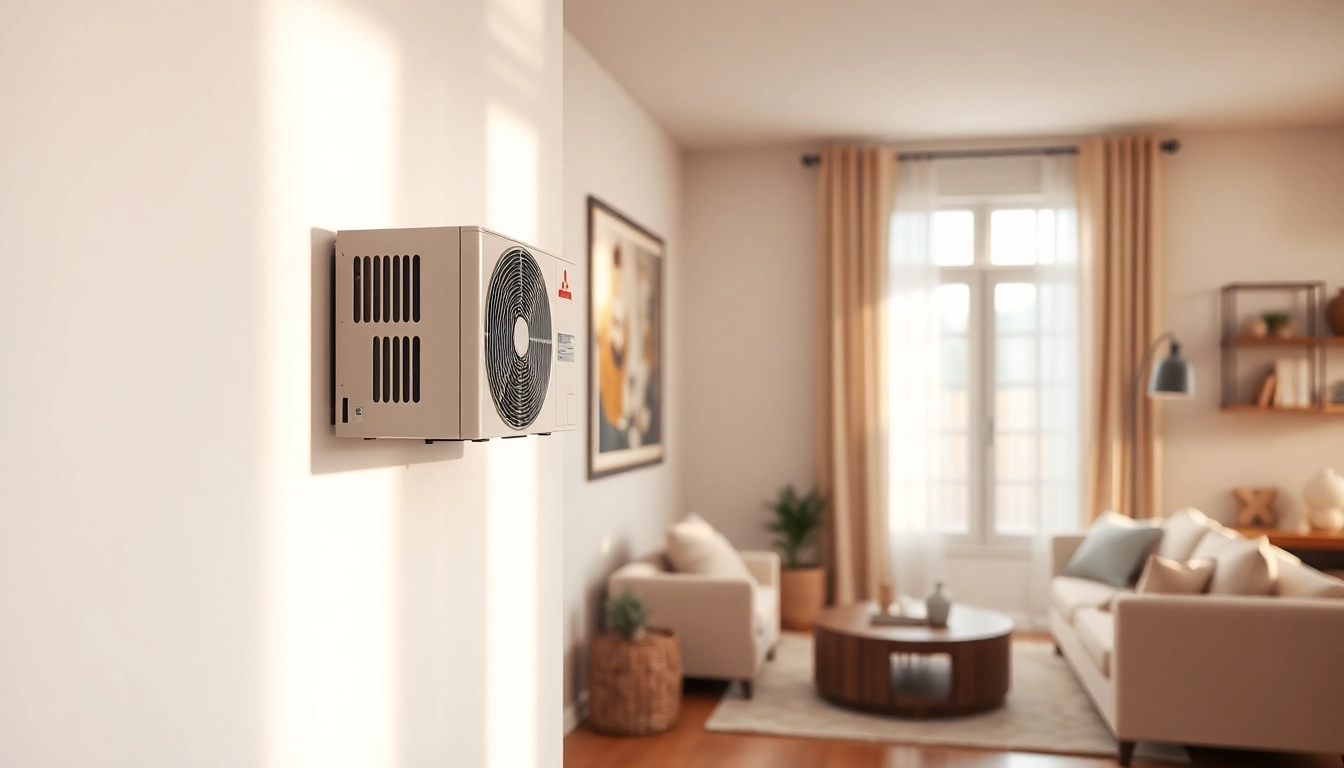
Understanding Mitsubishi Mini Split AC Systems
What is a Mitsubishi Mini Split AC?
The mitsubishi mini split ac is a highly efficient and versatile cooling and heating system that operates without ductwork. This system typically consists of an outdoor compressor unit and one or more indoor air-handling units. Unlike traditional HVAC systems that rely on ductwork to distribute air, mini-split systems deliver conditioned air directly into individual rooms or zones, allowing for greater control over temperature and climate. This feature makes them a popular choice for home renovations, additions, and energy-efficient replacements for older systems.
How Mitsubishi Mini Split AC Works
Mitsubishi mini split AC systems utilize a heat pump technology which allows them to provide both cooling in the summer and heating in the winter. The system works by transferring heat from one location to another. During summer, refrigerant in the indoor unit absorbs heat from the room and transfers it to the outdoor unit, where it is expelled. In winter, the process is reversed: the outdoor unit extracts heat from the outside air and transfers it indoors, making it possible to maintain comfortable indoor temperatures even when it’s cold outside. This two-way process is what makes mini split systems both effective and efficient in a variety of climates.
Key Features of Mitsubishi Mini Split AC
- Zoned Comfort: Mitsubishi mini split systems allow homeowners to cool or heat individual rooms based on specific needs, improving comfort and efficiency.
- Inverter Technology: Many models feature inverter-driven compressors that adjust the cooling and heating output based on demand, providing consistent temperature control and energy savings.
- Quiet Operation: Designed to operate quietly, Mitsubishi units minimize noise levels compared to traditional HVAC systems, making them suitable for bedrooms or offices.
- EnergyStar Ratings: Many models meet EnergyStar criteria, ensuring they operate efficiently and sustainably, thereby reducing electricity bills.
Benefits of Mitsubishi Mini Split AC Systems
Energy Efficiency and Savings
Mitsubishi mini split AC systems are recognized for their remarkable energy efficiency. They typically have higher Seasonal Energy Efficiency Ratios (SEER) compared to conventional central air systems, which translates to lower electricity usage and costs. With inverter technology, these systems adjust power consumption based on current needs, further optimizing performance. Homeowners can save a noticeable amount on their energy bills, especially during peak usage months.
Space-Saving Design
Mini split systems are designed to be compact and space-efficient. The indoor units can be mounted on walls, recessed into ceilings, or even installed flush with the area, leaving minimal visual impact. Unlike traditional HVAC systems that require bulky ductwork, the flexible configuration of mini splits allows them to fit easily into various architectural styles and space constraints. This feature is particularly advantageous in urban environments where space is limited.
Flexible Installation Options
The installation process for a Mitsubishi mini split AC is notably less invasive than that for centralized systems. The lack of ductwork simplifies installation and often results in a quicker setup and reduced labor costs. Additionally, homeowners can choose to install multiple indoor units connected to a single outdoor unit, allowing for tailored climate control throughout larger spaces, including homes, offices, or commercial facilities.
Choosing the Right Size Mitsubishi Mini Split AC
Calculating BTU Requirements
To ensure effective cooling and heating, it’s crucial to select a Mitsubishi mini split AC with the proper BTU rating. BTUs, or British Thermal Units, measure the energy needed to cool or heat a space adequately. A rule of thumb is to calculate approximately 20 BTUs per square foot of living space. For instance, a 500-square-foot room may require around 10,000 BTUs. However, additional factors must be considered, such as ceiling height, the number of windows, climate, and room insulation, which can affect the total BTU requirement.
Factors to Consider in Sizing
Several factors impact the size of the mini split system you will need:
- Room Size: Larger rooms will require more BTUs.
- Insulation Quality: Well-insulated spaces retain temperature better, reducing BTU needs.
- Sun Exposure: Rooms with extensive sun exposure may need a higher capacity system.
- Ceiling Height: Higher ceilings can increase the volume of air to be conditioned, necessitating additional BTUs.
Common Sizing Mistakes to Avoid
Selecting a unit that is too small may lead to inadequate cooling or heating, while a unit that is too large can result in short cycling, where the system turns on and off too frequently, leading to inefficient operations and higher energy costs. It’s essential to perform a detailed calculation and, if uncertain, consult with an HVAC professional to evaluate the specific needs of your space.
Installation Process of Mitsubishi Mini Split AC
Preparing for Installation
Before starting the installation of a Mitsubishi mini split AC, ensure you have designated a suitable location for both the indoor and outdoor units. The indoor unit should be in a central location for optimal airflow, while the outdoor unit requires ample space for ventilation. Also, consider local regulations and potential permits required for installation.
Essential Tools and Equipment
Proper installation also requires specific tools, such as:
- Drill with appropriate bits for wall mounting
- Refrigerant pipe cutter and flaring tool
- Vacuum pump to remove air and moisture from the refrigerant line
- Manifold gauge set to check refrigerant levels
- Basic hand tools (screwdrivers, wrenches, etc.)
Step-by-Step Installation Guide
- Install the indoor unit bracket and mount the indoor unit securely.
- Drill a hole through the wall for the refrigerant and drainage lines, ensuring a slope for drainage.
- Connect the refrigerant lines and electrical wiring according to the manufacturer’s specifications.
- Mount the outdoor unit on a sturdy base away from direct sunlight and obstructions.
- Connect the refrigerant lines to the outdoor unit and ensure all connections are leak-free.
- Charge the system with refrigerant as per guidelines and test the system to ensure optimal performance.
Maintenance Tips for Mitsubishi Mini Split AC Systems
Regular Cleaning Practices
To keep your Mitsubishi mini split AC functioning efficiently, regular maintenance is necessary. Clean the filters every month or two, as dirty filters can restrict airflow and reduce efficiency. The outdoor unit should also be inspected periodically, removing any debris that could obstruct airflow. Additionally, the coils should be cleaned at least once a year for optimal heat exchange.
Signs Your Mitsubishi Mini Split AC Needs Repair
Watch for indicators that may signal the need for repairs, including:
- Inconsistent airflow or temperature control
- Unusual noises during operation
- Foul odors emitted from the unit
- Visible leaks around the indoor or outdoor units
Addressing these signs promptly can prevent more serious issues from developing and extend the life of your system.
Scheduling Professional Maintenance
While regular DIY maintenance is crucial, scheduling professional maintenance once a year is also recommended. Experienced technicians can carry out comprehensive checks and tune-ups, ensuring all components function optimally and identifying potential problems early on. Regular professional maintenance can enhance the lifespan of your Mitsubishi mini split AC and ensure it operates at peak efficiency.
FAQs
1. How do I select the right Mitsubishi mini split AC size?
Consider room size, insulation, windows, and climate; calculate BTUs for effective cooling or heating.
2. Can I install a Mitsubishi mini split AC myself?
DIY installation is possible but hiring a professional ensures efficiency and compliance with local codes.
3. What is the lifespan of a Mitsubishi mini split AC?
With proper maintenance, a Mitsubishi mini split AC can last between 15 to 20 years or longer.
4. Are Mitsubishi mini split AC systems energy-efficient?
Yes, they are known for high energy efficiency ratings, helping significantly reduce electricity bills.
5. Do Mitsubishi mini split AC units require a lot of maintenance?
Minimal maintenance is required; regular filter cleaning and yearly professional servicing keep it running well.