
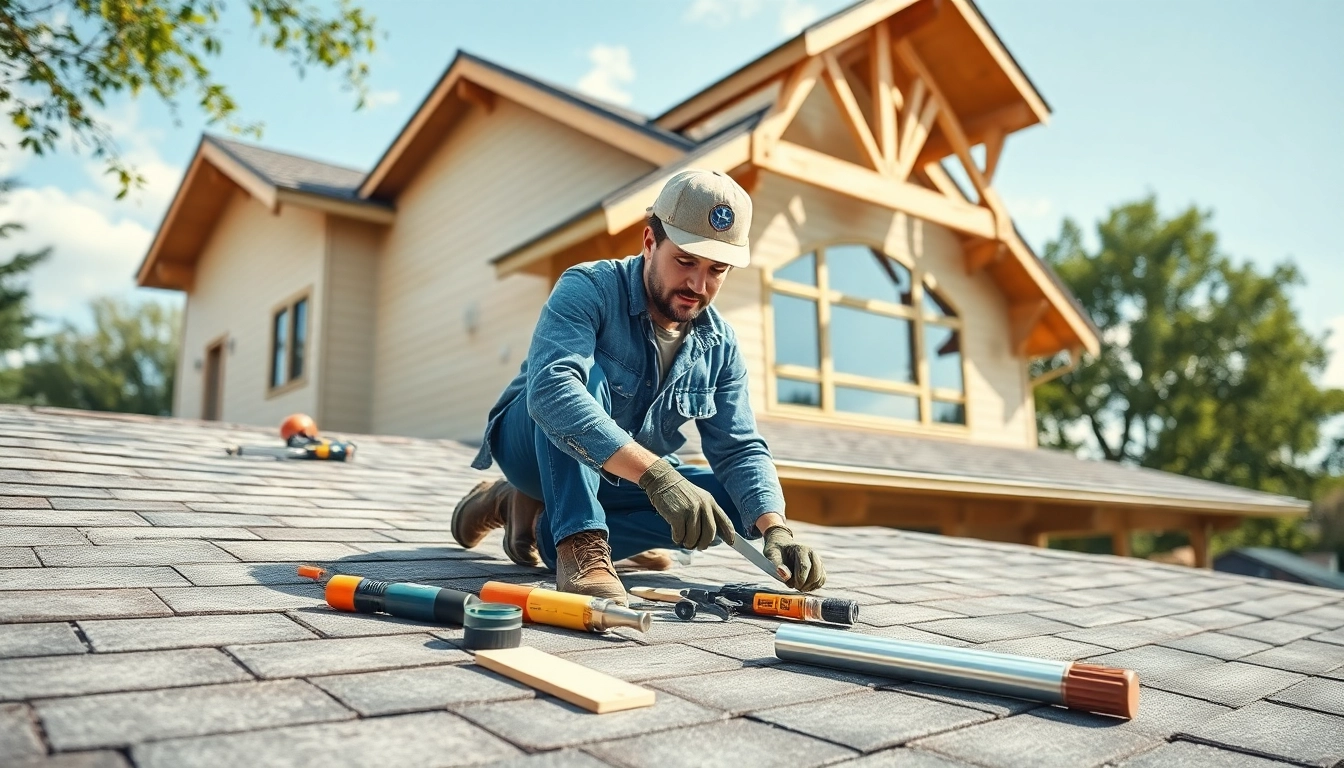
Understanding the Role of a Roofing Contractor
What is a Roofing Contractor?
A Roofing contractor is a specialized professional responsible for the installation, repair, and maintenance of roofs. Their expertise encompasses a variety of roofing systems, materials, and techniques. Whether it’s a residential home, commercial building, or industrial facility, roofing contractors play a crucial role in ensuring that the roofing structure meets local building codes and provides adequate protection against weather elements.
These professionals can operate independently or as part of a larger construction company. While some may focus exclusively on roofing, others might also engage in general contracting, which includes a broader spectrum of construction tasks. Regardless of their niche, roofing contractors must stay informed of the latest trends, technologies, and regulations affecting the industry.
Key Responsibilities and Services
The primary responsibilities of a roofing contractor extend beyond just laying tiles or shingles. Their services encompass a wide range of functions:
- Roof Installation: Planning and executing the installation of various roofing systems, ensuring both performance and aesthetics.
- Roof Repair: Assessing and fixing damages caused by weather, age, or improper installation.
- Roof Maintenance: Offering regular inspections and maintenance services to extend the lifespan of the roof.
- Material Consultation: Advising clients on the best materials suited for their specific roofing needs and budget.
- Compliance Assurance: Handling all necessary permits and ensuring compliance with local building ordinances.
Differences Between Contractors and Handymen
While roofing contractors and handymen might share some overlapping skills, they are distinctly different professionals. Roofing contractors possess specialized training and often hold relevant licenses and insurance that specifically pertain to roofing tasks. In contrast, handymen typically perform a broader range of minor repair and maintenance tasks that require less specialization.
For homeowners, hiring a licensed roofing contractor is crucial when dealing with significant roofing projects or repairs, as it assures quality workmanship and adherence to safety standards.
Identifying Your Roofing Needs
Assessing the Condition of Your Roof
Before engaging a roofing contractor, it’s essential to assess the current condition of your roof. A thorough evaluation involves examining for visible damages such as:
- Missing shingles or tiles
- Water stains on the ceiling or walls
- Flashing issues around chimneys and vents
- Curled or buckled shingles
- Signs of moss or algae growth
Many roofing contractors offer free inspections, which can provide further clarity on necessary repairs or replacements.
Types of Roofing Materials Explained
Different roofing materials cater to various aesthetic preferences, environmental factors, and budget constraints. Here’s a breakdown of some common roofing materials:
- Asphalt Shingles: Affordable and widely used, suitable for most homes.
- Metal Roofing: Known for durability and longevity, available in multiple styles and colors.
- Tile Roofing: Offers a unique look and is highly durable but can be heavier and more expensive.
- Wood Shakes: Provide a rustic charm but require more maintenance.
- Flat Roofing: Common in commercial buildings, can use materials like EPDM or TPO.
Understanding Local Climate Impact on Roofing
Your local climate plays a significant role in determining the most suitable roofing materials and solutions. For instance, areas prone to heavy snowfall may require steep pitches with materials that can handle weight, while regions with intense sun may benefit from reflective surfaces to combat heat.
Before choosing your roofing system, consider the unique weather patterns in your area, and discuss these factors with your roofing contractor for tailored advice.
How to Choose a Reliable Roofing Contractor
Researching Credentials and Experience
Finding a reliable roofing contractor begins with research. Ensure candidates are licensed, insured, and possess relevant experience in roofing projects similar to yours. Check their qualifications through local licensing boards or trade organizations.
Experience in the industry indicates not only expertise but also reliability. Contractors with a history of successful projects are usually preferable.
Reading Customer Reviews and Testimonials
Customer feedback can provide insights into a contractor’s reliability and quality of work. Look for reviews on platforms such as Google, Yelp, and social media. Remember to focus on patterns in positive or negative feedback rather than isolated comments.
Request references directly from contractors and follow up with past clients to gather detailed accounts of their experiences.
Obtaining and Comparing Quotes
Once you’ve shortlisted a few potential contractors, obtain detailed written quotes from each. Ensure they outline:
- Scope of work
- Materials to be used
- Project timeline
- Cost breakdown
Comparing these quotes will help you identify any disparities in pricing and project scope. However, don’t rush to choose the cheapest option—consider value and quality over price.
Common Challenges with Roofing Projects
Dealing with Weather Delays
Weather can significantly impact roofing projects. Rain, snow, and extreme temperatures can cause delays or even disruptions in work quality. It’s vital for contractors to have contingency plans in place to manage these challenges.
As a homeowner, maintaining open communication with your contractor about weather-related adjustments can help manage expectations and timelines.
Handling Compliance and Permits
Roofing projects often require various permits to comply with local regulations. Your contractor should handle the procurement of these permits. However, it’s beneficial for homeowners to feel informed about the necessary regulations in their area to avoid surprises.
Managing Budget Overruns Effectively
Budget overruns can occur due to unforeseen circumstances such as hidden damages found during repairs or increases in material costs. To mitigate this, homeowners should have a clear understanding of potential additional costs and maintain a contingency budget of about 10-20% of the total project cost. Open dialogue with your contractor about finances can help alleviate sudden financial stress.
Best Practices for a Successful Roofing Project
Effective Communication with Your Contractor
Establishing open lines of communication with your roofing contractor is crucial for project success. Discuss the project timeline, updates, and any concerns that arise during the work. Effective communication fosters trust and may even lead to better collaboration throughout the project.
Planning the Project Timeline
Work closely with your roofing contractor to create a detailed project timeline. Setting realistic deadlines based on the scope of work, material availability, and weather conditions helps all parties manage expectations and minimizes frustration.
Maintaining Your Roof After Installation
After the installation of your new roof, proactive maintenance is key to its longevity. Schedule regular inspections, clean your gutters regularly, and address any wear or damage promptly. These practices can significantly impact the lifespan of your roof, ensuring your investment remains worthwhile for many years to come.
Frequently Asked Questions
How can I find a reliable Roofing contractor?
Start by researching local contractors, checking reviews, and asking for recommendations from neighbors or friends. Look for credentials such as licenses and insurance.
What should I ask a Roofing contractor before hiring?
Inquire about their experience, references, warranties, and detailed quotes. Ensure they are licensed and insured to protect your investment.
What are the different types of roofing materials available?
Common materials include asphalt shingles, metal, tile, wood shakes, and flat roofing systems. Each has unique benefits and costs associated.
How can weather affect my roofing project?
Inclement weather can delay projects, cause damage, and complicate installation. Contractors should have a plan to manage such challenges effectively.
What can I do to maintain my roof after installation?
Schedule regular inspections, clean gutters, remove debris, and address issues promptly to extend the life of your roof and ensure its effectiveness.